Khamenei's Demise: Inside the Joint US-Israel Precision Strike
The geopolitical landscape of the Middle East was irrevocably altered with the confirmed demise of Ayatollah Ali Khamenei, Iran's Supreme Leader, in a joint US-Israel precision strike on Tehran. What began as a series of coordinated bombardments against various strategic points in the Iranian capital culminated in a singular, devastating blow to the heart of the Islamic Republic's leadership. The operation, a testament to intricate intelligence gathering and synchronized military action, not only eliminated Khamenei but also decimated a significant portion of Iran's top military and defense brass. President Trump and Prime Minister Netanyahu were quick to announce the success of the mission, with official confirmation from Tehran following hours later, sending shockwaves across the globe.
The Unfolding Drama: A Coordinated US-Israel Operation
The scale and precision of the attack underscored an unprecedented level of cooperation between the United States and Israel. Reports from Middle East expert Javier Gil detailed a clear division of labor designed to maximize the impact of the extensive bombardments. While US forces focused their efforts on neutralizing Iran's formidable armament capabilities, Israeli strategists targeted locations suspected of housing the upper echelons of the Islamic regime. This dual-pronged approach ensured comprehensive coverage, crippling both Iran's physical infrastructure and its command structure.
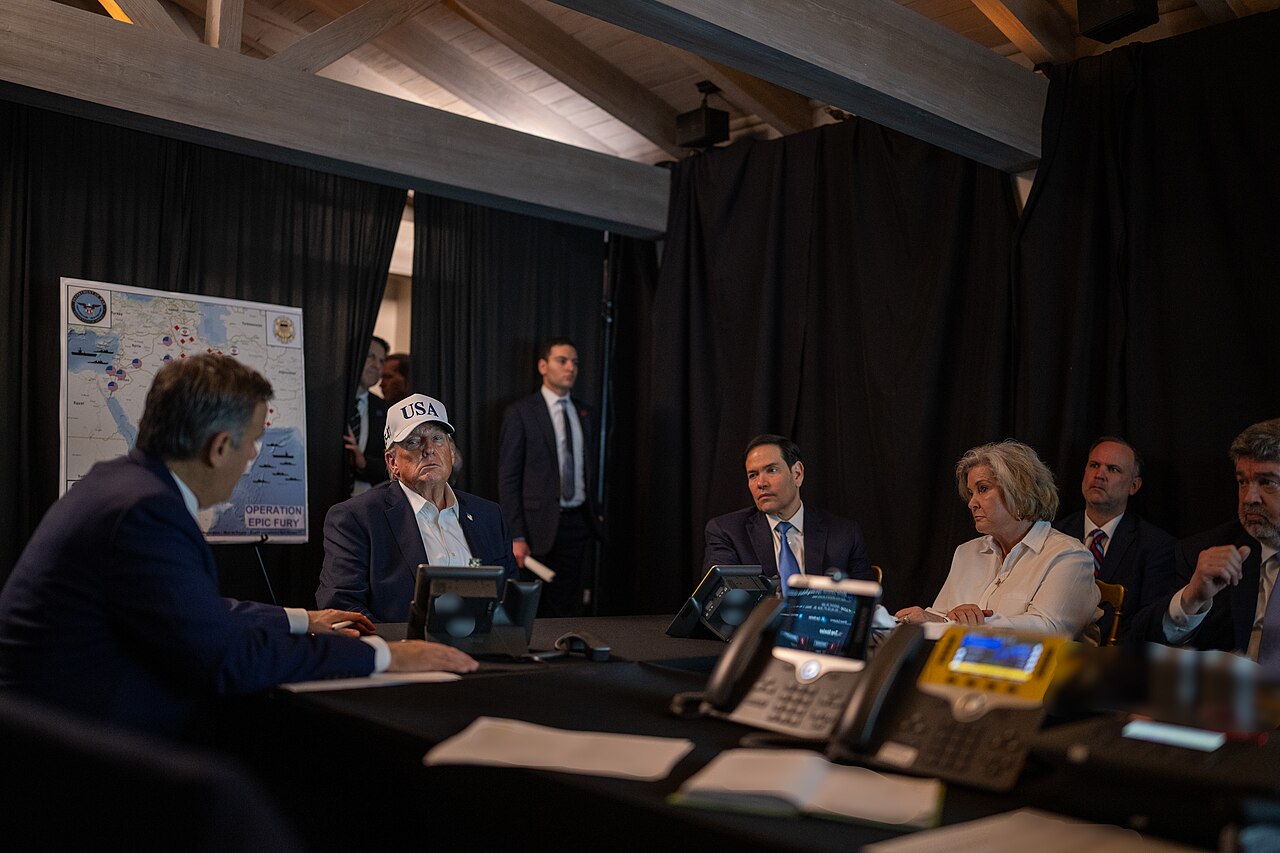
Among the key targets identified by Israeli intelligence was the residence of Ayatollah Ali Khamenei himself. The operation, codenamed "Operación Furia Épica" (Epic Fury), was not merely an act of military might but a calculated, intelligence-driven campaign executed with surgical precision. The success of such a complex undertaking highlights the critical importance of actionable intelligence in modern warfare and strategic deterrence.
Months of Surveillance: The CIA's Critical Role in Tracking Khamenei
The operation that ended Ali Khamenei's rule was not a spur-of-the-moment decision but the culmination of months of meticulous surveillance and intelligence gathering. The Central Intelligence Agency (CIA) played a pivotal, behind-the-scenes role, tracking Khamenei's movements and routines for an extended period. This long-term monitoring allowed intelligence analysts to identify patterns of behavior, predict his whereabouts, and ultimately pinpoint a window of unparalleled opportunity.
The true value of this sustained effort became apparent on the very day of the strike. The CIA uncovered critical information: Ayatollah Khamenei was scheduled to attend a high-level meeting with several senior officials within his residential complex. This intelligence was invaluable, transforming a potential strike on an individual into a strategic decapitation of an entire leadership council. The intricate intelligence work that paved the way for the *cia ataque Jameneí* (CIA attack Khamenei) underscores the profound impact of human intelligence and advanced surveillance technologies in shaping the outcome of major geopolitical events. Understanding
How CIA Intelligence Shaped the US-Israel Attack on Khamenei is crucial to appreciating the complexity of the operation.
The Eleventh-Hour Intel: A Strategic Delay and Decisive Strike
What truly elevated "Operación Furia Épica" from a successful strike to a historic turning point was a last-minute, crucial tip from the CIA. According to information cited by The New York Times, US and Israeli forces had initially planned to attack Tehran during the night. However, the CIA's late-breaking intelligence regarding the impending meeting of high-ranking officials at Khamenei's complex prompted a strategic delay.
This critical piece of information revealed that not only would Khamenei be present, but a significant portion of the Islamic Regime's top brass would also converge in the same location. Recognizing the unprecedented opportunity to neutralize multiple high-value targets simultaneously, the operation was postponed to Saturday morning. The delay, far from being a setback, became the key to maximizing the strike's impact.
The operation commenced around 6:00 AM in Israel (04:00 GMT) as Israeli combat aircraft departed their bases. The long-range missiles struck Khamenei’s complex at approximately 9:40 AM local time (6:10 GMT). Reports indicated that the strike did not require a large number of aircraft, but those deployed were exceptionally well-armed, delivering a devastating payload with surgical precision. At the time of impact, Iranian defense and security officials were in one building within the complex, while Khamenei was in another, ensuring that the strike achieved its comprehensive objective. This decision to delay, based on actionable intelligence, is a prime example of strategic patience yielding decisive results, directly leading to the events explored in
Delayed Attack: CIA's Last-Minute Tip Trapped Khamenei and Top Brass.
The Targets: Decimating Iran's Highest Echelon
The precision of the strike was not merely aimed at eliminating Khamenei but at decapitating the leadership of the Islamic Revolutionary Guard Corps (IRGC) and other crucial state apparatuses. The CIA's intelligence was precise enough to confirm the presence of several key figures at the meeting, all of whom were subsequently confirmed dead in the attack:
* **Mohamed Pakpur:** Commander of the Revolutionary Guard.
* **Aziz Nasirzadeh:** Minister of Defense.
* **General Abdorrahim Musaví:** Chief of Staff of the Iranian Armed Forces.
* **Ali Shamjani:** Secretary of the Supreme National Security Council.
* **Mohamed Shirazi:** Head of Khamenei's Office.
The elimination of these individuals represents an unprecedented blow to Iran's military and political command structure, creating an immediate power vacuum and significant challenges for succession and operational continuity. Furthermore, US and Israeli intelligence had also pinpointed the locations of several other Iranian intelligence officials, and following the initial strike on the complex, subsequent bombardments targeted these specific locations, ensuring the comprehensive neutralization of key figures.
Geopolitical Ramifications and Future Outlook
The death of Ayatollah Ali Khamenei and a significant portion of Iran's leadership carries profound geopolitical ramifications. Iran, a key player in regional conflicts and a consistent challenge to Western interests, now faces an uncertain future. The immediate aftermath is likely to be characterized by internal power struggles, questions of succession, and a potential recalibration of its foreign policy and regional proxy strategies.
This unprecedented joint US-Israel operation also sets a formidable precedent for intelligence-driven precision strikes against high-value targets. It underscores the evolving nature of modern conflict, where sophisticated intelligence gathering and coordinated military execution can drastically alter the balance of power. For other nations, it serves as a stark reminder of the vulnerabilities inherent even in highly protected regimes when faced with a determined and technologically advanced adversary.
The long-term impact on the Middle East remains to be seen. Will this event lead to a period of instability or, conversely, open avenues for new diplomatic engagements? What is undeniable is that the region will never be the same after the decisive "Operación Furia Épica," a testament to the power of intelligence and coordinated military action.
Conclusion
The demise of Ayatollah Ali Khamenei in a joint US-Israel precision strike stands as a pivotal moment in contemporary history. Months of dedicated surveillance by the CIA, culminating in a critical, last-minute intelligence tip, transformed a planned strike into a strategic decapitation operation. The coordinated efforts of the United States and Israel, marked by a precise division of labor and the strategic delay of the attack, resulted in the elimination of not only the Supreme Leader but also a significant portion of Iran's highest military and defense echelons. This unprecedented event underscores the paramount importance of actionable intelligence in modern warfare and will undoubtedly shape the geopolitical landscape of the Middle East for years to come.